Red Envelopes and Reels: How Asian-Inspired Slots Quietly Took Over American Gaming Floors
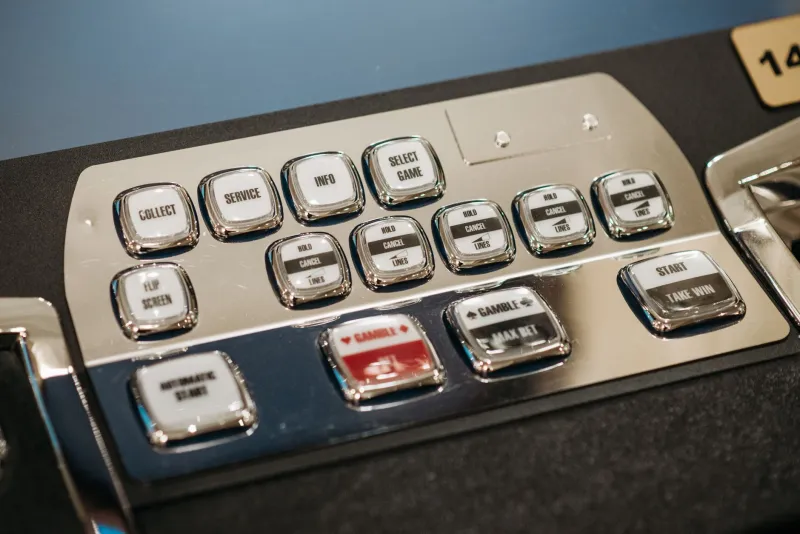
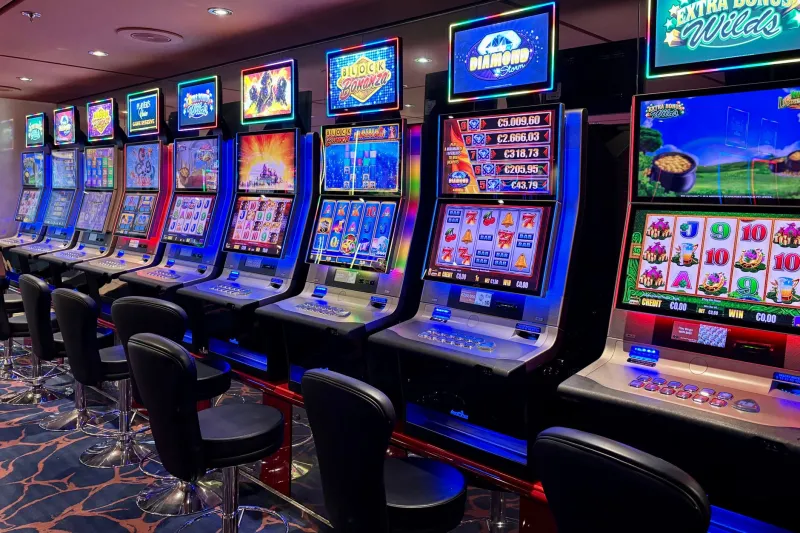
Walk into any major casino in Las Vegas, Atlantic City, or even a regional tribal gaming hall these days, and you'll notice something that would have seemed unusual a decade ago. Tucked between the classic fruit machines and the movie-franchise tie-ins, there's a cluster of glowing screens — red and gold, adorned with lotus flowers, jade coins, and, more often than not, a very confident-looking tiger. Players are lined up for them.
This isn't an accident. It's a cultural pivot that's been building quietly for years, and Fortune Tiger sits right at the center of it.
A Market That Nobody Predicted Would Shift This Fast
Five years ago, Asian-themed slot games were considered a solid performer in markets with high concentrations of Asian-American players — think Southern California, Hawaii, parts of the Pacific Northwest. Casino operators treated them as a targeted product for a specific demographic. Then something unexpected happened: everyone else started playing them too.
Industry analysts tracking slot floor performance began noticing crossover appeal around 2020 and 2021. Games featuring dragons, fortune symbols, and traditional Chinese iconography started posting stronger-than-expected numbers in markets like the Midwest and the South — regions without the same demographic profile that had historically driven that category. The pandemic-era shift toward online gaming accelerated this even further. When players could explore titles on their own, without the social pressure of a casino floor, they gravitated toward visually striking, thematically rich games. Fortune Tiger, with its bold color palette and layered symbolism, was exactly the kind of experience that stood out on a mobile screen at 11 p.m.
Why the Aesthetic Actually Connects
It's tempting to chalk this up to novelty — Americans just wanting something different. But that explanation undersells what's actually happening. The visual language of Fortune Tiger and similar games taps into something that resonates on a deeper level than surface-level curiosity.
Red and gold have carried connotations of luck and prosperity in American culture long before they became slot machine color schemes. Think about it: lottery tickets, Vegas neon, the Powerball logo. There's already an established visual vocabulary around what "lucky" is supposed to look like in this country, and it overlaps with traditional Chinese color symbolism more than most people consciously realize.
Beyond color, the tiger itself carries enormous symbolic weight across multiple cultural contexts. In American culture, tigers represent power, confidence, and a kind of untamed success — qualities that map neatly onto the fantasy of hitting a big payout. Fortune Tiger isn't asking American players to adopt a foreign framework; it's offering them a version of luck that feels both familiar and excitingly different at the same time.
Players who've shared their experiences in gaming communities frequently mention that the game "feels" more intentional than a lot of Western-style slots. The symbols aren't random; they carry meaning. The music has a ceremonial quality. There's a sense that something is being invoked, not just spun.
The Demographics Are Genuinely Surprising
Who's actually playing these games? The answer complicates easy assumptions. Based on engagement data from online platforms and self-reported player surveys, the audience for Fortune Tiger and comparable Asian-inspired slots skews younger than the traditional slot demographic — a meaningful chunk of players fall in the 25-to-40 age range, which has historically been a tough group for casino-style games to capture.
This group grew up in a pop culture environment saturated with anime, martial arts films, K-pop, and pan-Asian cuisine. Asian cultural exports have been mainstream American entertainment for their entire adult lives. For these players, the aesthetic of Fortune Tiger doesn't read as exotic — it reads as cool. There's no cultural distance to bridge.
At the same time, older players haven't abandoned the category. Many longtime slot enthusiasts report that Asian-themed games offer a refreshing alternative to the IP-driven titles that dominate casino floors — the games based on game shows, movies, and pop stars. Fortune Tiger doesn't require you to care about a TV franchise. It has its own internal mythology, and that self-contained identity appeals to players who want the game to be about the game.
What Game Designers Are Doing Differently
The rise of Fortune Tiger isn't just a cultural moment — it's also a design story. Developers working in this space have gotten considerably more sophisticated about how they translate cultural symbolism into gameplay mechanics.
Early Asian-themed slots often felt like a Western game with an Asian skin dropped on top. The underlying logic was identical to any other slot; the symbols just happened to be dragons instead of cherries. Modern titles like Fortune Tiger integrate the theme more deeply. The multiplier mechanics, the bonus trigger conditions, the sound design — these elements are built around the symbolism rather than just decorated with it. When the tiger appears on a winning line, it feels earned in a way that a generic wild symbol doesn't.
This design coherence matters to players more than the industry sometimes acknowledges. People can tell when a theme is genuine versus when it's window dressing. Fortune Tiger's staying power comes partly from the fact that it holds together as an experience, not just as a visual style.
The Bigger Picture for American Gaming
The success of Fortune Tiger and its category peers signals something worth paying attention to: American gaming preferences are genuinely diversifying, not just in terms of who's playing, but in terms of what people want from the experience.
For a long time, the dominant model was familiarity — give players what they already know, with maybe a slight twist. The Asian-inspired slot surge suggests that a significant portion of the American gaming audience is actively interested in something that feels different, that carries cultural weight, and that offers a kind of immersive symbolism that pure novelty games can't deliver.
For platforms like Fortune Tiger Slots, this shift represents an opportunity that goes beyond a single popular title. It's a sign that the audience is ready for gaming experiences that take their themes seriously — that build worlds instead of just spinning reels.
The tiger was always there. American players just needed a little time to find it.